
The Chesapeake Bay region is known for its beautiful waterfront views, coastal communities, fresh local cuisine, and relaxing countryside. It is also an interesting destination for people who enjoy exploring vineyards and learning about regional winemaking. A visit to a Chesapeake Bay vineyard offers an opportunity to experience local wine culture while enjoying peaceful landscapes and the natural beauty of Maryland’s Eastern Shore and surrounding areas.
Whether you are interested in discovering new wine varieties, spending time outdoors, or planning a relaxing day with friends and family, vineyards around the Chesapeake Bay provide a distinctive setting. Their combination of agricultural landscapes, regional character, and hospitality makes them an appealing part of the area’s tourism experience.
What Makes the Chesapeake Bay Wine Region Special?
The Chesapeake Bay area has a unique environment shaped by its waterways, coastal weather, and diverse landscapes. These conditions contribute to the region’s agricultural character and influence how local vineyards grow their grapes.
A Distinctive Coastal Environment
The Chesapeake Bay influences the surrounding climate. Water temperatures can moderate some seasonal changes, while local soil conditions and weather patterns affect vineyard growing conditions.
Each vineyard has its own combination of soil, grape varieties, and growing practices. These differences contribute to the character and style of wines produced throughout the region.
Beautiful Natural Surroundings
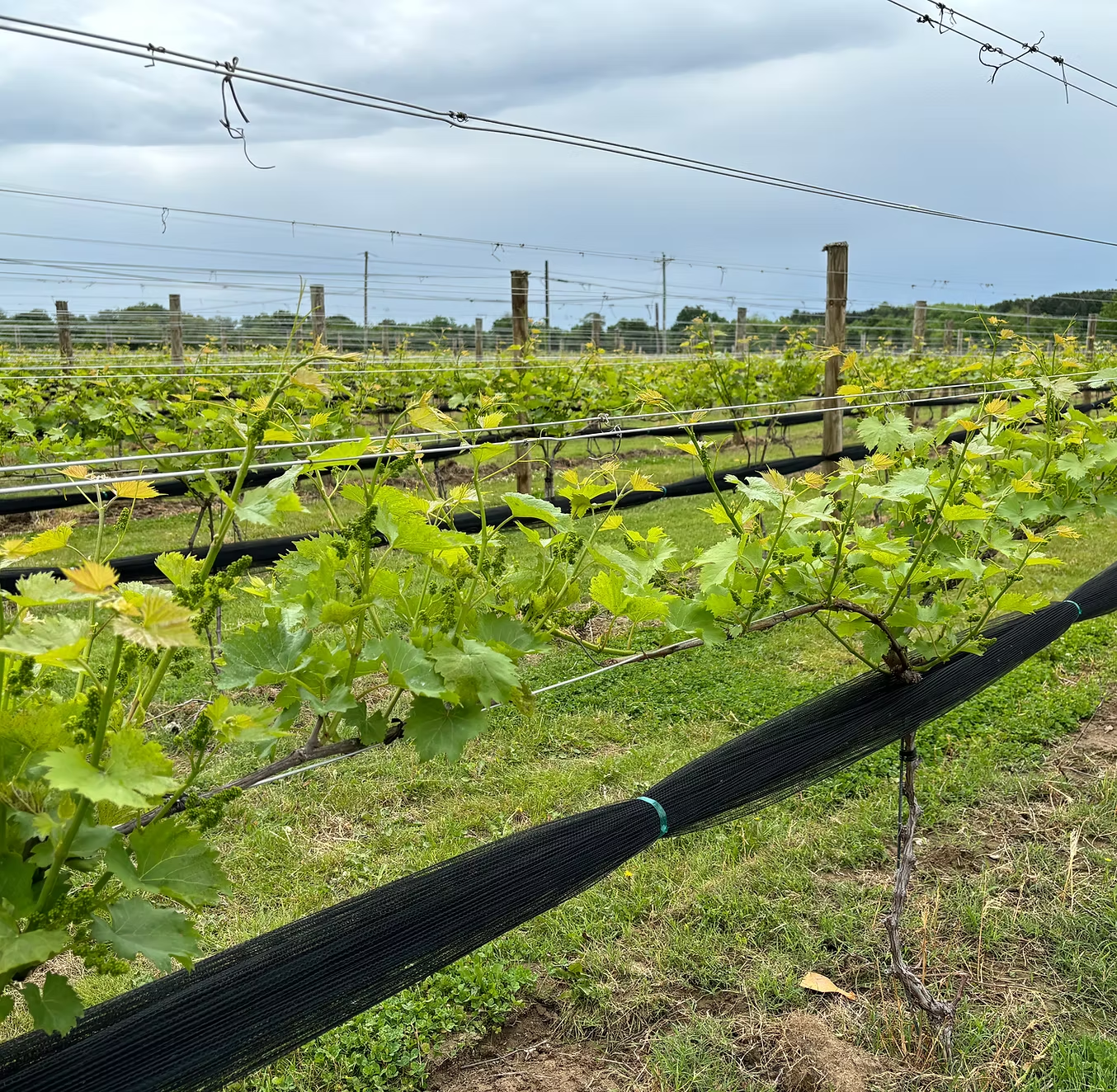
One of the highlights of visiting a vineyard near the Chesapeake Bay is the scenery. Visitors may find open fields, rows of grapevines, countryside views, and peaceful outdoor spaces.
The natural setting creates an enjoyable atmosphere for people who want to take a break from busy schedules and experience the region at a slower pace.
Wine Varieties You May Discover at a Chesapeake Bay Vineyard
The Chesapeake Bay region and the wider Maryland wine country feature a range of grape varieties. The wines available depend on the vineyard, growing conditions, and winemaking approach.
White Wine Varieties
White wines are an important part of Maryland’s wine offerings. Visitors may come across varieties such as:
- Chardonnay
- Vidal Blanc
- Sauvignon Blanc
- Viognier
- Riesling
These wines can offer different flavor profiles, ranging from crisp and refreshing to fuller-bodied styles.
Red Wine Varieties
Red wine enthusiasts may find several varieties grown in the region, including:
- Cabernet Franc
- Merlot
- Cabernet Sauvignon
- Chambourcin
- Petit Verdot
The characteristics of each wine depend on grape ripeness, production methods, aging, and other winemaking decisions.
Rosé and Blended Wines
Some vineyards also produce rosé wines and blends. These options allow winemakers to combine different grape varieties and create distinctive styles.
Exploring different varieties can help visitors better understand the diversity of wines associated with the Chesapeake Bay area.
What to Expect When Visiting a Chesapeake Bay Vineyard
A vineyard visit can offer more than simply discovering different wines. Many locations provide experiences that allow visitors to enjoy the property and learn about the winemaking process.
Vineyard Tours
Some vineyards offer guided tours that introduce visitors to grape cultivation, harvesting, fermentation, and wine production. These experiences can be useful for beginners as well as people with a deeper interest in winemaking.
Wine Tasting Experiences
Tasting experiences allow visitors to explore different wines and understand their aromas, flavors, and characteristics. Depending on the vineyard, tastings may be guided or self-directed.
Visitors should check tasting availability, reservation requirements, age restrictions, and current policies before planning a visit.
Outdoor Seating and Scenic Views
Many vineyards feature outdoor spaces where visitors can enjoy the surrounding landscape. Seasonal weather, vineyard views, and open-air seating can make these locations especially appealing during warmer months.
Special Events and Private Gatherings
Some vineyards host seasonal activities, private events, celebrations, and group gatherings. Availability and event policies vary, so it is helpful to contact the venue in advance.
Best Time to Explore Vineyards Near Chesapeake Bay
The experience of visiting a vineyard can change throughout the year. Each season offers something different.
Spring
Spring brings fresh growth to vineyard landscapes. It is a pleasant time to enjoy outdoor scenery and observe the beginning of the growing season.
Summer
Summer is often associated with green vineyards, longer daylight hours, and outdoor activities. Visitors should plan ahead, especially during weekends and busy holiday periods.
Fall
Fall is an interesting season for exploring wine country. Depending on the vineyard, visitors may see grape harvesting activities and changing foliage. The cooler weather also makes outdoor visits comfortable.
Winter
Winter can offer a quieter vineyard experience. Some vineyards may have limited outdoor activities or seasonal operating hours, so checking availability before visiting is important.
How to Plan a Memorable Vineyard Visit
A little preparation can make a vineyard visit more enjoyable and convenient.
Check Opening Hours and Reservations
Not every vineyard follows the same schedule. Review its official website or contact the venue to confirm opening hours, tasting availability, and reservation requirements.
Plan Your Transportation
If your visit includes wine tasting, arrange safe transportation in advance. Designating a sober driver or using an appropriate transportation service helps everyone travel responsibly.
Review Food and Event Options
Some vineyards offer food service, while others allow visitors to bring food or have specific policies. Check these details before arriving, particularly if you are planning a group outing.
Dress for the Weather
Vineyard visits may involve walking through outdoor spaces. Comfortable footwear and weather-appropriate clothing can make the experience more enjoyable.
Why the Chesapeake Bay Vineyard Experience Appeals to Visitors
A Chesapeake Bay vineyard offers a combination of regional culture, scenic surroundings, and opportunities to learn about local agriculture. It can be an interesting destination for visitors who want to explore Maryland beyond its cities and waterfront attractions.
The experience also connects visitors with the area’s broader food and tourism culture. Local vineyards contribute to regional agriculture and provide spaces for educational activities, social gatherings, and seasonal experiences.
For travelers, couples, and groups, exploring vineyards can be a relaxing way to discover another side of the Chesapeake Bay region.
Conclusion
The Chesapeake Bay region offers much more than beautiful waterfront scenery. Its surrounding wine country provides opportunities to discover local grape varieties, learn about winemaking, and enjoy the peaceful atmosphere of the countryside.
Whether you are interested in vineyard tours, tasting experiences, seasonal landscapes, or private gatherings, exploring a Chesapeake Bay vineyard can be a memorable addition to your regional travel plans. With a little preparation and an understanding of what each season offers, visitors can enjoy a rewarding experience while discovering the character of Maryland’s wine country.
Frequently Asked Questions (FAQs)
1. What is special about a Chesapeake Bay vineyard?
A Chesapeake Bay vineyard combines regional winemaking with the area’s coastal environment, countryside landscapes, and local agricultural traditions. Visitors can enjoy scenic surroundings while learning about wines produced in the region.
2. What types of wine are produced near Chesapeake Bay?
Vineyards in the wider region may produce Chardonnay, Vidal Blanc, Cabernet Franc, Merlot, Chambourcin, and other varieties. The selection depends on local growing conditions and each vineyard’s production methods.
3. When is the best time to visit a Chesapeake Bay vineyard?
Spring, summer, and fall are popular seasons for vineyard visits because of their outdoor scenery and seasonal activities. Fall may also offer opportunities to observe grape harvesting, depending on the vineyard.
4. Do Chesapeake Bay vineyards offer wine tasting experiences?
Many vineyards in the region offer tasting experiences, although availability, reservation requirements, and visitor policies vary. It is best to check directly with the vineyard before visiting.
5. Can vineyards near Chesapeake Bay host private events?
Some vineyards offer spaces for private celebrations, gatherings, and special events. Visitors should contact individual venues to confirm event packages, capacity, availability, and booking requirements.






Leave A Comment