

Maryland offers more than beautiful coastlines, historic towns, and scenic countryside. It is also home to vineyards and wineries that provide visitors with opportunities to enjoy the region’s natural beauty and learn about local winemaking traditions. For those looking to explore something different, vineyard experiences Maryland offers a way to discover picturesque landscapes, agricultural heritage, and the character of the state’s wine regions.
Whether you are interested in learning how vineyards operate, exploring the countryside, or discovering the history of local grape growing, Maryland’s vineyard culture offers plenty to appreciate. Each vineyard has its own surroundings, growing conditions, and story, making every visit an opportunity to experience a different side of the state.
What Makes Maryland’s Vineyard Experiences Special?
Maryland has a diverse landscape that includes rolling hills, coastal areas, farmland, and peaceful countryside. These different environments contribute to the character of its vineyards and agricultural communities.
Vineyard experiences can include several elements beyond the vineyard landscape itself:
- Beautiful views of grape-growing fields and surrounding countryside
- Opportunities to learn about grape varieties and growing conditions
- Insights into local agricultural and winemaking traditions
- Seasonal vineyard activities and educational events
- Opportunities to appreciate regional food and cultural heritage
These elements make vineyard experiences Maryland appealing to people who enjoy nature, agriculture, local history, and scenic destinations.
Exploring Maryland’s Wine Regions
Maryland’s wine industry is spread across several regions, each offering different landscapes and growing conditions. Exploring these areas provides a better understanding of how geography and climate influence vineyard development.
Eastern Shore
The Eastern Shore is known for its coastal surroundings, farmland, and relaxed rural atmosphere. Its landscape provides a distinctive setting for agricultural experiences and vineyard exploration.
Central Maryland
Central Maryland features a mix of rolling countryside, historic communities, and agricultural land. Its location also makes it accessible to visitors from several major population centers.
Western Maryland
Western Maryland offers scenic mountain views, elevated landscapes, and a quieter countryside environment. The region’s natural surroundings create a different atmosphere from the state’s coastal and central areas.
Southern Maryland
Southern Maryland combines rural communities, open farmland, and historic landscapes. Its agricultural heritage adds to the region’s appeal for visitors interested in local traditions.
Different Types of Vineyard Experiences
A vineyard visit can offer more than an opportunity to see rows of grapevines. Depending on the location and available activities, visitors may discover several interesting aspects of vineyard life.
Learning About Grape Growing
Understanding how grapes are grown is an important part of learning about vineyard operations. Visitors can discover how soil, sunlight, rainfall, temperature, and seasonal conditions affect grape development.
Different grape varieties also require different growing conditions. Learning about these differences helps explain why vineyards select particular varieties for their locations.
Discovering the Winemaking Process
The journey from grape to finished wine involves several stages. These may include harvesting, sorting, crushing, fermentation, aging, and bottling.
Educational information about these processes can help visitors understand the work and planning involved in producing wine. It also highlights the relationship between agricultural practices and winemaking techniques.
Enjoying Scenic Vineyard Landscapes
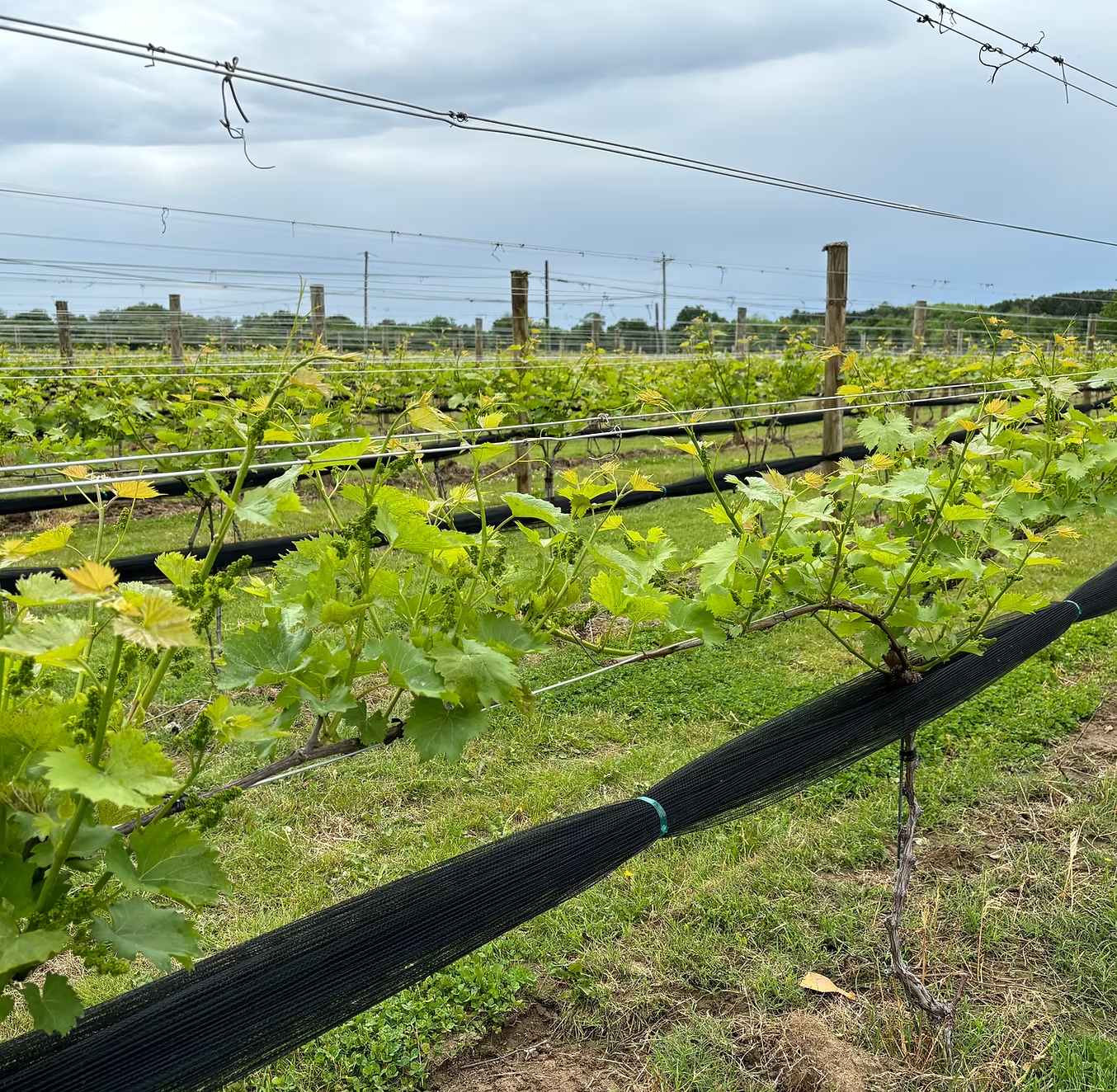
Vineyards often feature attractive outdoor surroundings, with neatly arranged grapevines, open fields, and views of the countryside. These landscapes can be especially interesting during seasonal changes.
Spring brings fresh growth, summer creates lush green surroundings, and autumn can add warm colors to vineyard landscapes. Each season offers a different visual experience.
Exploring Local History and Agriculture
Many vineyard areas are connected to the wider agricultural history of their communities. Learning about local farming practices, land use, and regional development can provide a deeper understanding of Maryland’s countryside.
The Best Time to Explore Maryland Vineyards
The experience of visiting a vineyard can change throughout the year. Each season offers something different.
Spring
Spring is a time of new growth. Visitors may see grapevines beginning to develop leaves and vineyard landscapes becoming greener.
Summer
Summer brings fuller foliage and active vineyard growth. It is a useful time to observe how vines develop during the warmer months.
Autumn
Autumn is an important period in the vineyard calendar because grape harvesting generally takes place during this season, depending on the variety and weather conditions. The changing colors also create attractive countryside views.
Winter
During winter, grapevines enter dormancy. Although the landscape looks different, this season provides an opportunity to understand pruning and other vineyard maintenance activities.
What to Consider Before Planning a Vineyard Visit
Planning ahead can help make a vineyard visit more comfortable and enjoyable. Consider the following points before choosing a destination.
- Check visitor information: Review the vineyard’s official website for current visitor policies and available activities.
- Understand seasonal schedules: Vineyard activities may vary depending on the time of year.
- Confirm event details: Some locations may require advance registration for tours or special events.
- Plan transportation: Consider travel time, parking, and transportation arrangements.
- Dress appropriately: Comfortable clothing and suitable footwear can make outdoor exploration easier.
- Respect vineyard guidelines: Follow the property’s rules, especially in areas where grapes are being grown or harvested.
Taking these steps can help visitors plan a smooth and informed experience.
Why Vineyard Experiences Are Worth Exploring
Vineyards provide an opportunity to connect with the countryside and learn about an important part of regional agriculture. They bring together nature, farming, local history, and traditional production methods in one setting.
For visitors, vineyard experiences Maryland can offer a refreshing change from busy city environments. They can also provide educational opportunities for people interested in agriculture, food production, and the natural factors that shape local industries.
Beyond the scenery, vineyard exploration encourages visitors to appreciate the time, knowledge, and care involved in maintaining agricultural landscapes.
Conclusion
Maryland’s vineyards offer an interesting way to explore the state’s countryside, agricultural traditions, and regional character. From learning about grape growing and winemaking to appreciating seasonal landscapes, visitors can discover different aspects of vineyard life throughout the year.
Whether you are interested in nature, local history, or agricultural practices, vineyard experiences Maryland provide an opportunity to see the state from a different perspective. With a little planning and an understanding of seasonal activities, a vineyard visit can become an informative and memorable countryside experience.
Frequently Asked Questions (FAQs)
-
What can visitors expect from vineyard experiences in Maryland?
Visitors can explore vineyard landscapes, learn about grape-growing methods, understand the winemaking process, and discover local agricultural traditions. Activities vary by vineyard and season.
-
Which regions in Maryland are known for vineyards?
Maryland has vineyards across several areas, including the Eastern Shore, Central Maryland, Southern Maryland, and Western Maryland. Each region has its own landscape and growing conditions.
-
What is the best season to explore vineyards in Maryland?
Spring and summer offer opportunities to see grapevines growing, while autumn is associated with grape harvesting and colorful countryside scenery. Winter provides insight into vineyard maintenance.
-
Are vineyard experiences in Maryland suitable for educational visits?
Yes. Vineyard visits can help people understand grape varieties, soil conditions, seasonal growing cycles, agricultural practices, and the different stages of winemaking.
-
What should I check before visiting a Maryland vineyard?
Check visitor hours, tour availability, seasonal activities, event schedules, visitor policies, and transportation arrangements before planning your visit.






Leave A Comment